Identifying Hidden Cross-Connection Hazards in Public Water Systems
Cross-connection hazards hide in plain sight in public water systems. How to find them, assess them, and build the program that controls them.
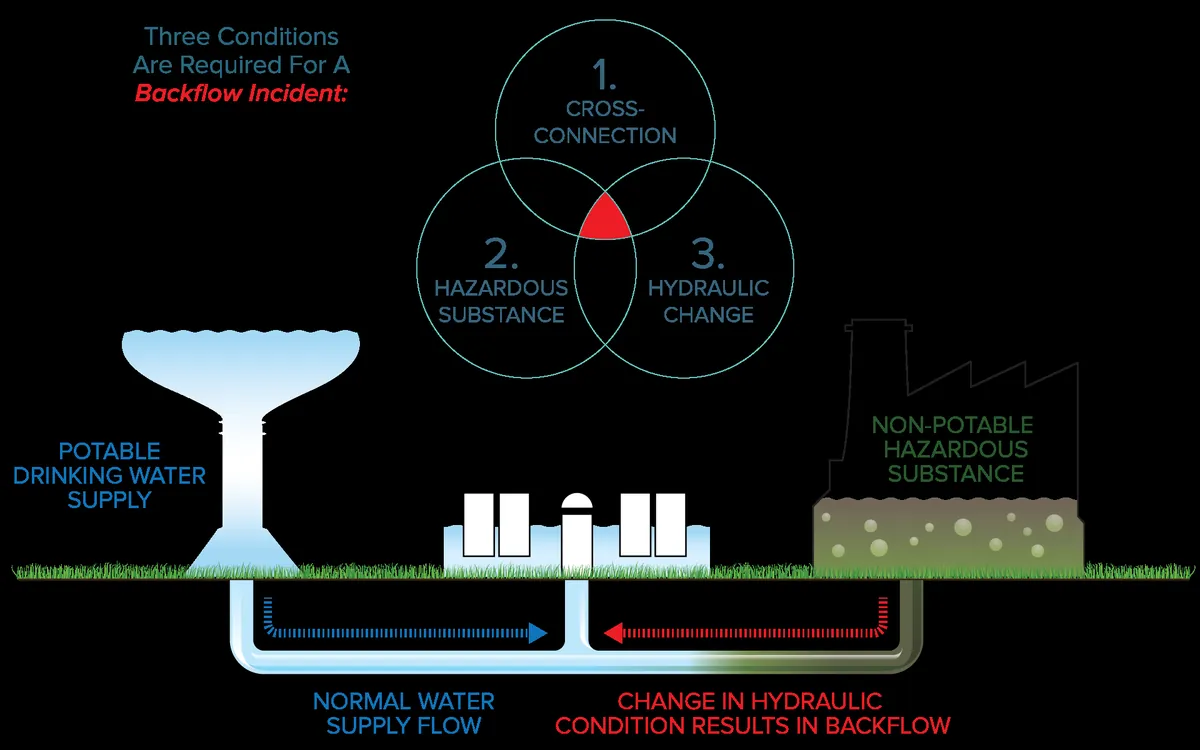
Protecting drinking water quality does not end at the treatment plant. One of the most overlooked risks in public water systems exists within the distribution network itself, cross-connections. These are points where potable water can come into contact with non-potable sources, creating the potential for contamination through backflow.
What makes cross-connection hazards particularly challenging is that many of them are not immediately visible. They often exist in everyday settings and can go unnoticed without a structured approach to identification and management. For water system leaders, understanding where these risks exist is a key part of maintaining compliance and protecting public health.
What Is a Cross-Connection Hazard?
A cross-connection hazard occurs when there is a physical or potential link between a potable water system and a non-potable source. If system pressure changes due to events like main breaks or high demand contaminants can flow backward into the drinking water supply.
These hazards can be found in both residential and non-residential settings, and the level of risk depends on the type of connection and the substances involved.
Why Hidden Hazards Are a Concern
Unlike visible infrastructure issues, cross-connection hazards are often hidden behind walls, underground, or within private properties. Without proper identification, these risks can remain undetected until a backflow event occurs.
The consequences can include:
- Contamination of the drinking water supply
- Public health risks
- Regulatory violations
- Emergency response costs
- Loss of public trust
Because of these potential impacts, regulatory agencies require water systems to actively manage cross-connection risks through formal programs.
Common Places Where Cross-Connection Hazards Exist
Understanding where to look is the first step in identifying hidden hazards. Some of the most common locations include:
Residential Properties
- Irrigation systems connected to potable water lines
- Hose bibs submerged in pools, buckets, or chemical containers
- Private wells connected to municipal systems
Commercial and Industrial Facilities
- Chemical processing equipment
- Cooling towers and boilers
- Manufacturing systems with fluid connections
Multi-Family and Mixed-Use Buildings
- Shared plumbing systems
- Fire suppression systems
- Complex piping configurations
Public Infrastructure
- Parks and irrigation systems
- Construction sites
- Temporary connections during maintenance or repairs
In many cases, these hazards are not obvious without detailed inspections or hazard assessments.
The Role of Hazard Assessments
Hazard assessments are a critical tool for identifying cross-connection risks. These assessments involve evaluating properties and systems to determine where cross-connections may exist and how severe the risk is.
A thorough hazard assessment typically includes:
- Reviewing system layouts and plumbing configurations
- Identifying potential contamination sources
- Classifying hazards based on risk level
- Determining appropriate backflow prevention requirements
This process helps water agencies prioritize high-risk areas and ensure proper protective measures are in place.
Why Cross-Connection Hazards Are Often Missed
Many water systems struggle to fully identify and manage cross-connection hazards due to several common challenges:
- Limited staff or resources for inspections
- Lack of updated system records or assemblies inventories
- Inconsistent documentation practices
- Changes in property use that introduce new risks
- Reliance on reactive rather than proactive processes
Without a structured program, these gaps can allow hazards to go unnoticed.
Strengthening Cross-Connection Control Programs
To effectively manage hidden hazards, water agencies need more than occasional inspections. A comprehensive cross-connection control program should include:
- Regular hazard assessments for both residential and non-residential properties
- Accurate tracking of backflow prevention assemblies
- Routine testing and compliance monitoring
- Clear documentation and recordkeeping systems
- Customer outreach and education to ensure awareness and cooperation
When these elements are integrated, agencies gain better visibility into their systems and reduce the likelihood of unexpected risks.
The Importance of Ongoing Compliance Management
Cross-connection control is not a one-time effort. It requires continuous oversight, updates, and coordination to remain effective. As regulations evolve and systems change, water agencies must ensure their programs stay aligned with current requirements.
This is where services such as Water Compliance Services California become increasingly valuable. By providing structured compliance support, these services help agencies manage complex requirements, maintain accurate documentation, and stay prepared for regulatory reviews.
From Hidden Risks to Controlled Systems
Identifying hidden cross-connection hazards is an essential step toward building a safer and more reliable water system. With the right processes, tools, and oversight, water agencies can move from reactive risk management to proactive control.
This approach not only reduces compliance risks but also strengthens operational confidence and protects the communities they serve.
How Exodus helps
Exodus Water Services is a water operations and compliance company with a team of certified specialists. We support water agencies running cross-connection control programs with hazard assessments, compliance tracking, and program management.