
Why Every Water Agency Needs a Strong Water Shortage Contingency Plan
- ruchika80
- Mar 15
- 3 min read
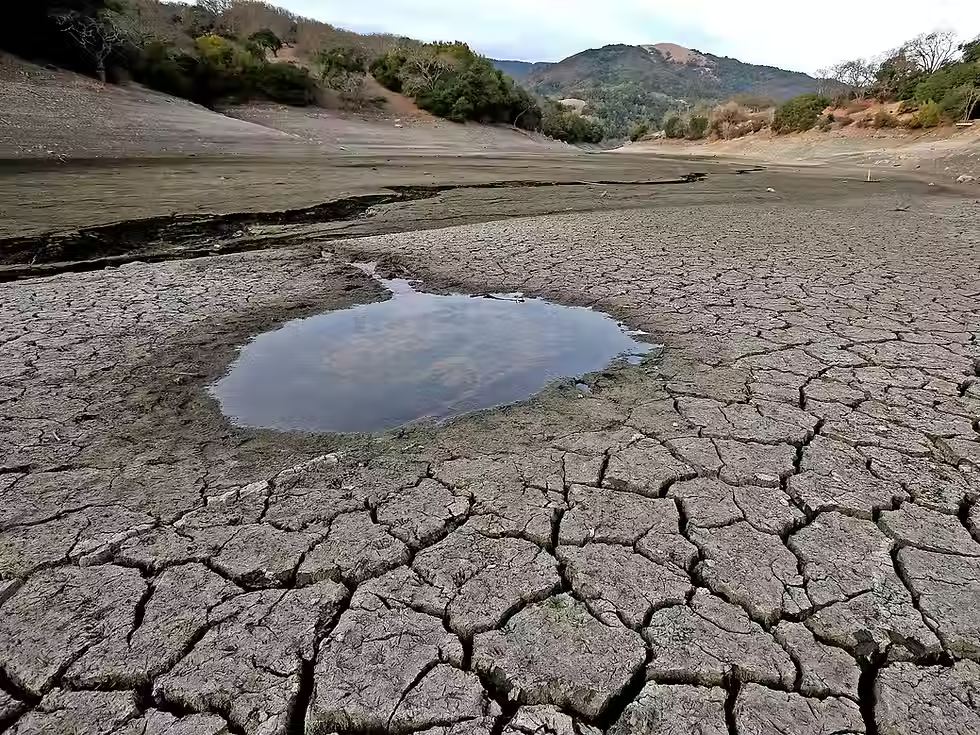
Water agencies today face growing pressure to maintain reliable water supplies. Climate variability, drought conditions, population growth, and aging infrastructure can all affect water availability. In many regions, water shortages can develop quickly and place stress on both water systems and the communities that rely on them. Because of these challenges, having a well-developed water shortage contingency plan is essential for responsible and effective water management.
A Water Shortage Contingency Plan helps agencies prepare for periods when water supply becomes limited. Instead of reacting to emergencies without a clear direction, agencies can follow a structured approach that outlines specific actions during different stages of water shortage. This type of planning supports better operational decisions, improves communication with the public, and ensures essential water needs are protected.
Preparing for Uncertain Water Conditions
Water shortages can happen for many reasons. Without proper planning, responding to these situations can become difficult and uncoordinated, leading to inadequate resource allocation and delayed emergency responses. A strong contingency plan helps agencies prepare for a variety of potential supply disruptions.
Common causes of water shortages include:
Extended drought conditions
Reduced surface water deliveries
Infrastructure failures such as pipeline breaks
Unexpected contamination events
Increased water demand during extreme weather
A well-designed plan typically defines several shortage levels and the actions required at each stage. For example:
Early stages may encourage voluntary water conservation.
Moderate stages may introduce limits on outdoor water use.
Severe stages may require mandatory restrictions and operational adjustments.
Planning these steps in advance allows water agencies to respond quickly and reduce uncertainty during supply challenges.
Managing Water Demand During Shortages
One of the main goals of a Water Shortage Contingency Plan is to manage water demand when supply becomes limited. Conservation strategies help protect available resources and extend water availability during difficult conditions.
Water agencies often implement conservation measures gradually, such as:
Encouraging residents to reduce outdoor watering
Promoting water-efficient appliances and practices
Limiting non-essential water uses
Monitoring system demand to track conservation progress
Clear and consistent communication is essential. When communities understand why conservation measures are needed and how they can help, participation and cooperation tend to increase.
Building Long-Term Water Resilience
Water Shortage Contingency Plans are not only designed for short-term emergencies. They also help agencies strengthen long-term water reliability by identifying system vulnerabilities and opportunities for improvement.
Many agencies are expanding their water supply strategies to include wastewater & recycled water. Recycled water can be used for irrigation, landscaping, industrial activities, and environmental restoration. By incorporating wastewater & recycled water into their planning, agencies can reduce demand on drinking water supplies and diversify their available resources.
Long-term planning may also include:
Infrastructure upgrades
Improved monitoring and data collection
Water conservation programs
Expanded supply sources
These strategies help create a more resilient and sustainable water system.
Improving Coordination and Preparedness
Water shortages often impact multiple communities and agencies at the same time. A strong contingency plan helps improve coordination among water providers, regulators, and local governments.
Clear planning helps agencies:
Define roles and responsibilities during shortages
Improve communication with stakeholders
Coordinate response efforts with neighboring systems
Maintain organized and efficient operations during supply challenges
Preparedness gives agency leaders greater confidence that their system can manage unexpected water supply issues.
Supporting Water Agencies Through Planning and Compliance
Developing and maintaining an effective Water Shortage Contingency Plan requires both technical knowledge and regulatory understanding. Exodus Water Services is a fully licensed water operation and compliance company, backed by a team of highly qualified specialists. By supporting agencies with compliance management, operational planning, and system oversight, Exodus Water Services helps water providers strengthen preparedness, improve resilience, and navigate water supply challenges with confidence.

